

Mottingham
Advice and advocacy
Summary
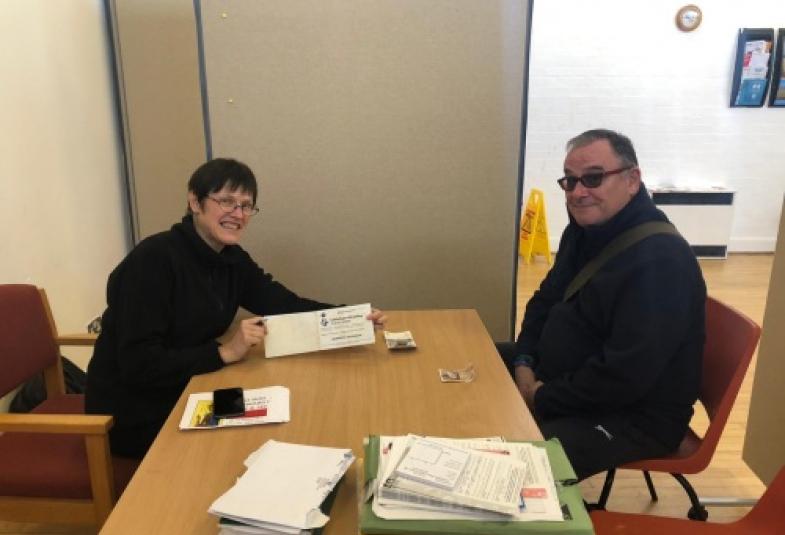
Revd Dr Catherine Shelley is the Vicar of St Edward the Confessor, Mottingham. She also happens to be a trained solicitor. When she came to St Ed’s in 2017, she soon found that her legal skills were in demand in Mottingham’s community. The complexity of our housing system means that legal understanding can be useful just to keep a roof over people’s heads. Catherine is now offering pro-bono legal and benefits advice in sessions twice a week.
A gran was caring for her grandchildren whose Mum had died when she was told that she would have to leave her house because the tenancy was in her daughter’s name. Through negotiations with the housing association, Catherine helped her to get her own tenancy.
Catherine’s not alone in providing this important service. Four other members of her congregation help run it – two of whom are also lawyers. They support people with difficulties with landlords, help with applications for discretionary housing payments and ensure people are accessing other benefits where due. Two volunteers with less welfare rights training help with filling in the lengthy, complex forms required to access these services. This is particularly helpful for the many people who do not have access to a computer at home.
Background
When Catherine arrived at St Ed’s, it was already an outward looking church, with a variety of community projects. The congregation were very enthusiastic about running more social action in their area, so the church became a collection point for the local credit union. Catherine soon realised that finance was only one of the problems faced by many of the clients coming to register for the credit union’s loans, and she began to provide advice and support as part of this process. The nearest Citizens Advice office is a long bus ride away, meaning that many people weren’t previously getting the support they needed.
In Mottingham, it’s very difficult to secure social housing, and private rented housing is unaffordable for many – many local estate agents require a minimum income of £30,000 per year. Because of this, people are forced to stay in their parents’ homes even after they have children of their own, leading to severe overcrowding – Catherine knows of families where adults sleep on the sofa. Others are forced to hold off on having kids until they get a social home of their own. Catherine explains that ‘there’s so many who just [can’t think about having a family] because they can’t get stable housing. The impact on people’s lives is significant.’
There is also a great deal of under-occupancy because of a lack of one-bedroom flats on the estate. People are encouraged to downsize, but can’t, and end up being penalised by the ‘bedroom tax’. This can lead to severe financial problems, so claiming all the support available is crucial.
Unscrupulous landlords can endanger the stability of people’s housing, and many tenants are unsure about their rights. A new mother wrote to her landlord about a repairs issue. The landlord retaliated by evicting her, meaning that she needed support to get emergency housing.
With just one housing association managing most of the houses in the community, relatively minor issues with its services can affect the whole area. St Ed’s have found that the church’s involvement helps to ensure that the housing association is accountable for its actions.
Mottingham’s housing situation doesn’t just affect individuals but the health of the whole community: young families are being forced to move away from their extended family because they cannot afford local rents. The lack of housing also exacerbates relationship problems. Catherine believes that housing issues often spiral into other tensions, and once the relationship has broken down, couples may be forced to remain living together, as they are not entitled to social housing until they’re removed from a joint tenancy. This makes the work at St Ed’s important to the continuing flourishing of the community.
Impact
St Ed’s have helped over one hundred people to deal with important and difficult decisions. Alongside helping with their housing and financial problems, guiding people through online systems has the side effect of improving people’s computer skills. Many of those who come for support are from the wider community, as word is spreading fast.
This work has also had a positive impact on the life of the church. When Catherine arrived, Sunday attendance at St Ed’s was about twenty; now they average between forty and fifty, with up to a hundred people on special occasions. Catherine believes that the increased visibility of the church in the community because of the advice service may have boosted attendance.
What do you need?
- Support for advice services is provided by organisations such as LawWorks, AdviceUK and Community Money Advice. They have accredited social welfare, family law and professional skills training, along with reference materials, pro forma and regular updates on welfare rights.
- Welfare rights and/or legal advice should not be given without professional indemnity insurance. AdviceUK offers discounts on this insurance for its members. The work at St Ed’s is run through the law firm of one of its church members, saving around two thousand pounds per year.
- Basic IT infrastructure is essential to carry out this work, although St Ed’s use their existing equipment, keeping costs down.
Personnel
- Catherine’s advice work is a considerable part of her workload, but this service could also be run by committed volunteers.
- Although few churches will have vicars with legal or welfare rights skills, many will have members of the congregation who are trained in this area – whether as lawyers or in other fields. LawWorks training means that even those without prior experience can provide crucial assistance.
Finances
- The main costs for the advice service are postage, stationary and printing, amounting to about £50 per month.
- Their other overheads are minimal as the church building is often in use anyway.
- A subscription to LawWorks costs about £60 a year as of 2020, and AdviceUK about £130.
- If they had needed professional indemnity insurance, this would have cost approximately £2000 a year through AdviceUK – although quotes are tailored to individual projects.
Tips
- Parishes that straddle local authorities – as St Ed’s does – may find providing support more complicated, having to understand multiple systems and maintain multiple relationships.
- It is important for church-run advice services to be clear about what level of responsibility they’re taking on, to ensure that they do not mislead people and run the risk of liability when, for example, they are simply helping someone to fill in a form.
- It’s invaluable to have people with good IT skills for when things go wrong.
- Even if churches are unable to offer an advice service, providing access to computers could really help people engage with the housing and benefits system, including making and managing universal credit claims.
- For more advice, see Revd Dr Shelley’s advice.
Find out more on St Ed’s website.


