

An introduction to supported accommodation

Supported accommodation is needed almost universally around the country. In urban areas, you may be more likely to have local need for rough sleepers to be housed, but throughout the country, people are in need of housing and support.
There are all sorts of different ways that churches get involved with supported accommodation, with different levels of commitment. While you could go out on your own, it’s probably a good idea to work with an existing scheme – such as Green Pastures or Hope into Action – if possible.
Or, alternatively, approach a local charity to see how you can help. Some work in a similar way to Hope into Action and Green Pastures, but there are other ways you could get involved. You may choose to buy or lease a house to them – something which requires money or existing property, but no time. On the other hand, you may be able to provide befriending to the residents, help with decorating, or donate toiletries. For inspiration take a look at our case study on One Roof Leicester.
General tips
Don’t underestimate the support that people will need. Always allow spare capacity in the support you’re providing. Issues that you may not have considered may come up, and things which you may feel are simple – such as a benefit application – may be difficult for some people.
Consult with neighbours before starting supported accommodation. People can be nervous about supported accommodation if they hear about it through Chinese whispers. Opposition may derail a scheme. Deal with this beforehand by engaging with local residents – explaining the safeguards you’ve put in place and dispelling rumours.
Don’t forget the basics. When you’re dealing with complex needs, arranging support workers, benefits and tenancies, the basics can be forgotten. Don’t forget the basics that every landlord needs to arrange, like HMO licenses for certain types of houses. These differ by local authority. Running an unlicensed house could lead to the people who you’re helping ending up homeless.
Hope into Action and Green Pastures
Both Hope into Action and Green Pastures require no financial contribution from the church – although you can choose to make one if you are able. They also both take much of the bureaucracy off your hands, meaning that it is much less of a commitment than doing it alone.
Which is for me?
This is up to you – both offer a great service to their residents, and churches who work with them sing their praises. One thing to take into account is that Hope into Action promise that their model means that the time requirements shouldn’t affect other areas of your ministry, whereas Green Pastures requires slightly more from the church, but this could lead to faster results.
Hope into Action
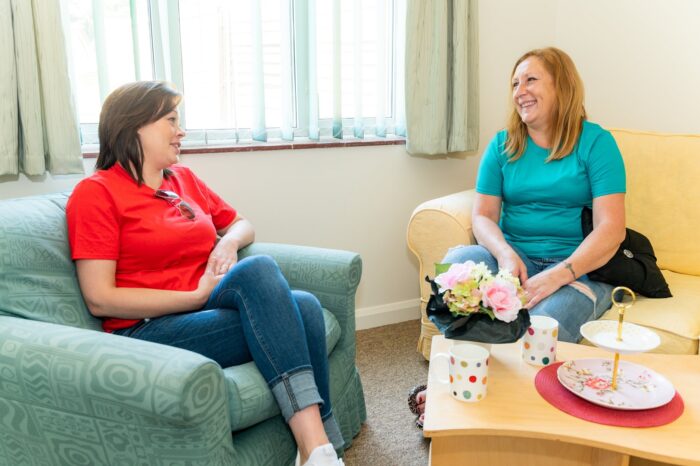
Hope into Action enable churches to house and support the homeless. They take a lot of the ongoing responsibilities away from the churches: they do the referrals, the tenancies, the benefits, the rent collection and the professional support. This enables the church to concentrate on what churches do best: prayer, befriending, mentoring and discipling. Find out more in our case study about St George’s Stamford or on their website.
Green Pastures
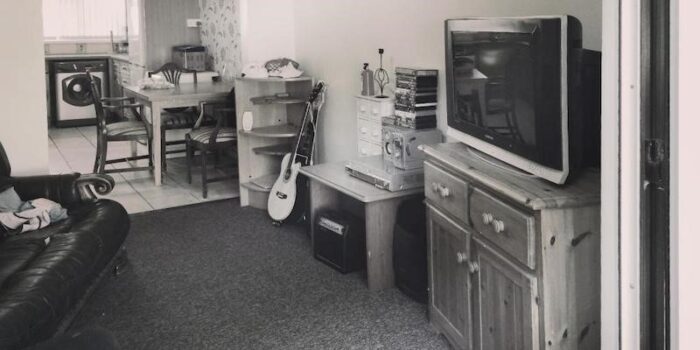
Green Pastures also equip churches to house the homeless. They provide you with the property, 20 years of housing experience, a network of thriving Christian partnerships, all the paperwork and training required and ongoing continuous support. You generally manage the referrals, tenancies, benefits and rent collection, and may choose to hire a professional support worker. In this way, there’s more for a church to do than under Hope into Action, but you’re enabled to do it and can make a real difference. Find out more in our case study about Pye Green Christian Centre or on Green Pastures’s website.


